
Ledger.com/Start® | Getting started®™ — Ledger Support
Start at Ledger.com/start to configure your Ledger wallet and discover useful information for managing accounts, holdings, portfolios, and transactions.
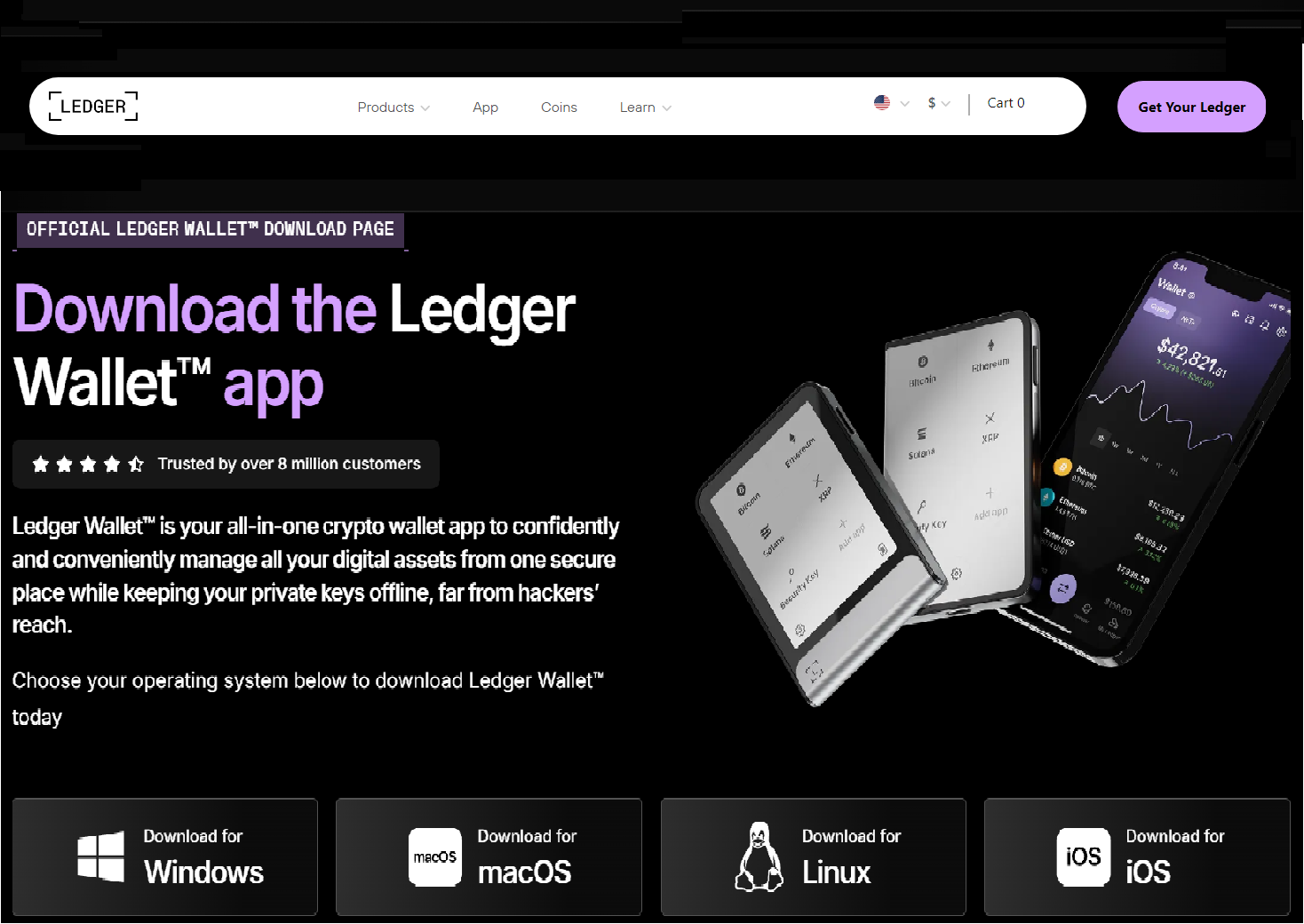
Ledger.com/start: How to Create an Organized Crypto Wallet Setup From the Beginning
Setting up a hardware wallet is an important step for anyone who wants greater control over their cryptocurrency. For new Ledger users, Ledger.com/start provides a natural reference point for beginning the wallet setup journey and learning the basics of responsible device management.
Start With a Clear Setup Environment
Before starting, choose a private and distraction-free environment. Close unnecessary browser tabs and applications, particularly those that are unrelated to your wallet.
Use trusted sources when accessing setup instructions or downloading required software. Avoid following setup instructions sent through unexpected emails, social media messages, or unknown websites.
Having everything prepared beforehand can make the process easier and reduce the chance of overlooking an important instruction.
Understand the Hardware Wallet
A Ledger hardware wallet is designed to work alongside compatible software while keeping important wallet operations connected to the physical device. During setup, the device itself may display prompts that require confirmation.
Do not rush through these screens. Read each instruction carefully and make sure you understand what you are confirming.
One of the most important responsibilities during setup is protecting recovery information. If a recovery phrase is generated, it should remain private and should not be photographed, uploaded to cloud storage, emailed, or shared with anyone claiming to provide technical support.
Organize Your Wallet Information
Good organization can make future wallet sessions much easier. Once your wallet is configured, consider keeping track of basic non-sensitive information such as which accounts you use and what assets they contain.
Avoid storing confidential wallet credentials alongside ordinary notes or files. The goal is to make useful account information easy to identify without exposing information that could compromise wallet access.
Check Accounts Before Using Them
After setup, spend some time becoming familiar with your wallet interface. Look at the available accounts and understand how balances, addresses, and transaction information are presented.
If you plan to receive cryptocurrency, carefully verify the receiving address before sharing it. When sending assets, review the destination address and transaction amount before approving the transaction.
Taking an extra moment to verify details can help prevent mistakes.
Maintain the Setup Over Time
Wallet management does not end after the first successful setup. Applications may receive updates, supported assets can change, and your own crypto activity may become more complex.
When making changes, handle one task at a time. If you are adding a new account, for example, complete that process and verify the result before moving to another task.
Similarly, if software presents an unfamiliar message or request, stop and verify the information through an official source rather than acting immediately.
Conclusion
Using Ledger.com/start as the beginning of a structured setup process can help new users understand the important stages of hardware wallet management. Preparing a private workspace, protecting recovery information, checking account details, and verifying transactions are all useful habits.
The strongest wallet routine is usually one that is simple and consistent. By taking time to understand each step rather than rushing through setup, users can create a clearer foundation for managing their crypto accounts over time.
Updated about 5 hours ago